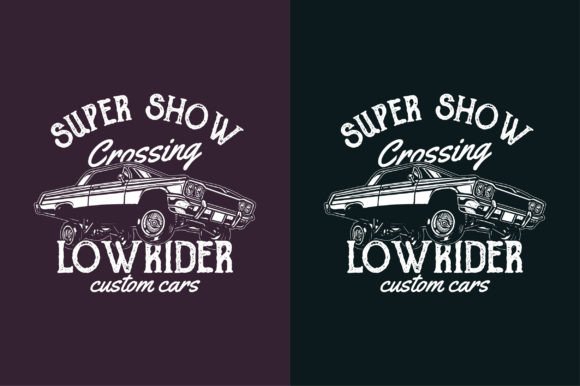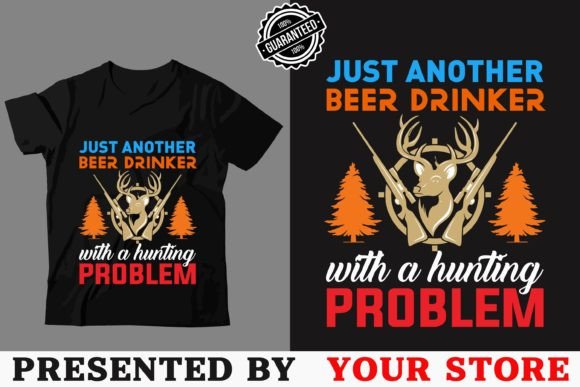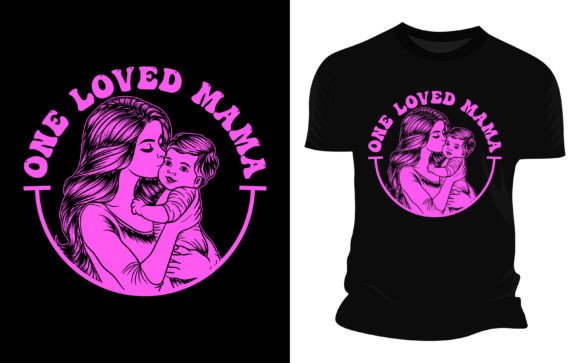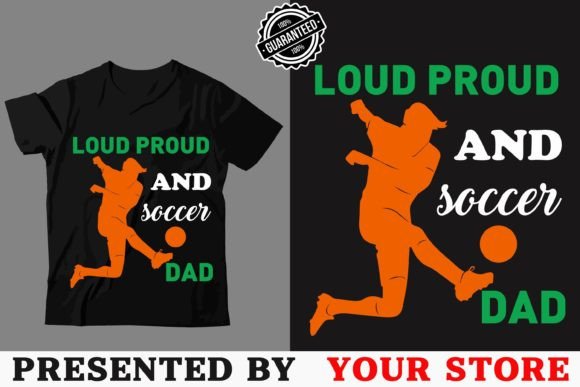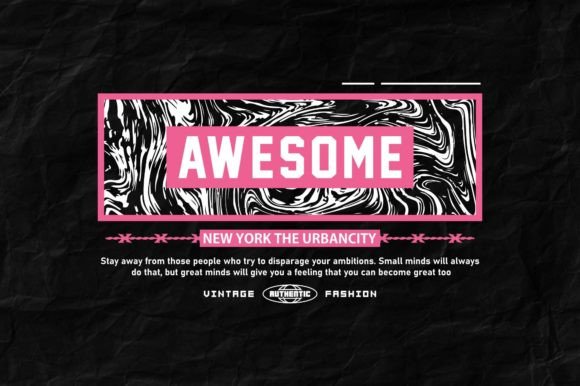
Awesome Graphic T-Shirt Design: Beyond the Print
When we talk about "Awesome Graphic T-Shirt Design," we aren't just talking about a static image on a piece of cotton. We are talking about a specific visual language that translates perfectly across the two most dominant methods of apparel production: digital printing and screen printing. For designers, entrepreneurs, and small business owners, understanding the technical anatomy of a design is just as important as the artwork itself. A design that looks great on a monitor but fails on a screen mesh is a wasted asset. This particular style of design is built on the foundation of versatility, ensuring that whether you are pressing a DTG (Direct to Garment) printer or burning a screen for a plastisol run, the result is crisp, vibrant, and professional.
The visual personality of these assets usually leans into the streetwear and urban aesthetic. Think bold lines, high-contrast elements, and illustrations that carry a bit of attitude or nostalgia. It’s the kind of artwork that feels at home on oversized hoodies, structured jackets, and classic tees. Unlike minimalist typography or delicate script fonts, this style demands attention through complexity and texture. However, because these designs are often 100% vector, they maintain a level of scalability that raster images (like standard JPEGs) simply cannot match. You can scale a vector design from a chest patch to a full-back print without losing a single pixel of detail. This is the "secret sauce" for growing brands; you buy the design once, and it adapts to every product in your inventory.
The Technical Edge: Vectors vs. Rasters
If you are new to the world of design assets, the distinction between file types is critical. The highlight of these designs—being 100% Vector Resizable Ready to Print—changes how you operate your business. When you purchase a standard JPEG or PNG, you are buying a grid of pixels. If you try to blow that up for a poster or a jacket back, it gets blurry. It’s a fixed size.
However, when you work with EPS files (Encapsulated PostScript), you are working with mathematical paths. This is where the "Awesome" factor really shines for professionals. An EPS file allows you to ungroup the artwork, change individual colors to match your brand guidelines, or remove elements that don't fit your specific garment color. For screen printers, this is a massive time-saver. Separating colors for a screen print job from a high-resolution vector is infinitely easier than trying to separate colors from a flattened JPEG. It ensures your halftones are clean and your registration is spot-on.
Adapting to Urban and Streetwear Aesthetics
The "Urban T-shirt Design" look isn't just about slapping a graphic on a shirt; it's about how the design interacts with the fabric. Streetwear often relies on heavy, illustrative artwork—skulls, typography mashups, surreal landscapes, or retro vibes. These designs act as the focal point of the outfit. When you have an editable vector file, you have the creative freedom to modify the artwork to fit the "drop" you are releasing.
For example, if you are a content creator or a brand strategist launching a merch line, you might find a design that is 90% perfect, but the main text needs to change to your catchphrase. With editable files, you aren't stuck. You can swap out the typeface, adjust the kerning, or even restructure the composition. This flexibility is vital for brand identity. Your merchandise needs to feel cohesive with your social media graphics and your website. By utilizing assets that are designed for modification, you ensure that your physical products match your digital presence perfectly.
Practical Applications for Creators and Businesses
The utility of high-quality graphic design extends far beyond just putting a shirt on a hanger. For the modern entrepreneur, these assets are tools for marketing and visual hierarchy. Here is how different audiences can leverage these files:
- Small Business Owners: Use the graphics for packaging design. A bold vector illustration can turn a plain shipping box into a branded unboxing experience. It reinforces professionalism and makes your brand look established, even if you are just starting out.
- Marketers and Bloggers: Use the designs for social media graphics. A high-contrast streetwear illustration makes for an excellent Instagram post background or a YouTube thumbnail element. It grabs the eye in a crowded feed.
- Crafters and Hobbyists: While screen printing is a commercial focus, these files work wonderfully with cutting machines (like Cricut or Silhouette) for heat transfer vinyl (HTV). Because the files are clean vectors, the software can trace the cut lines perfectly.
It is also worth noting the role of color theory in these designs. Awesome Graphic T-Shirt designs often utilize limited color palettes to facilitate screen printing costs. Fewer colors usually mean lower production costs. By using files that are already optimized for print, you save money on the manufacturing side while maintaining a high-end retail look.
Evaluating the Asset: Is It the Right Fit?
Not every graphic works for every project. When evaluating a design, you need to look past the initial "cool factor" and assess the readability and legibility. If the design incorporates text, ensure that the font pairing makes sense. Is the headline readable from five feet away? In streetwear, stylistic choices sometimes sacrifice legibility for aesthetics. As a designer or brand owner, you need to strike a balance. A t-shirt is a walking billboard; if people can't read the message or understand the art in a split second, the design fails its primary function.
Furthermore, consider the commercial licensing. Most premium design assets come with a license that allows for commercial use (selling the t-shirts), but they usually restrict redistribution of the source files (selling the digital file to others). Always verify that the license covers the volume of production you anticipate. If you are a print-on-demand seller, you need a license that covers unlimited prints.
The Professional Polish
Ultimately, using high-quality, editable vector assets is about professional polish. It signals to your audience that you care about the details. Whether it is a cool t-shirt design for a weekend market or a piece of editorial design for a magazine spread, the tools you use define the outcome. By leveraging files that are ready for both digital and screen printing, you bridge the gap between digital concept and physical reality. You aren't just making clothes; you are building a tangible connection with your audience through high-fidelity artwork.