Unlocking Y2K Aesthetics in Modern Streetwear
The Visual Language of a Digital Era
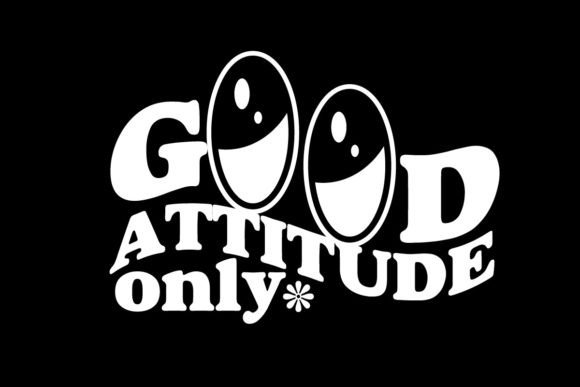
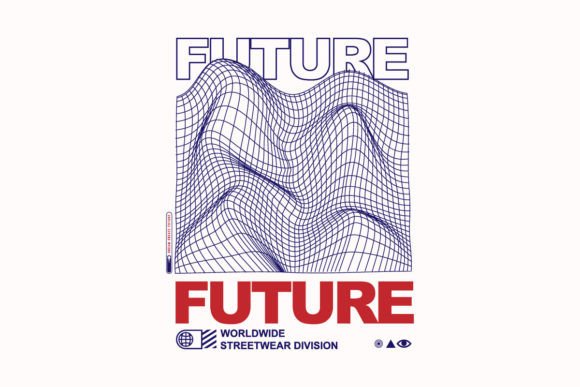
The resurgence of Y2K aesthetics in contemporary design is more than just a fleeting trend; it is a distinct visual language that channels the optimism, technological fascination, and bold experimentation of the late 1990s and early 2000s. When we talk about Streetwear Graphic Design Y2K Style, we are referring to a specific intersection of culture and art. This style is characterized by its unapologetic use of chrome effects, liquid metal textures, and hyper-saturated color palettes that mimic the glow of early LCD screens. It often incorporates elements of cybernetics, tribal patterns, and distorted typography that feels both futuristic and nostalgic. The personality of this design approach is confident and edgy, often blending street culture’s raw energy with the sleek, synthetic look of early digital interfaces. It is a style that demands attention, utilizing high contrast and complex layering to create a sense of depth and movement that static, minimalist designs often lack.
Practical Applications for Brands and Creators
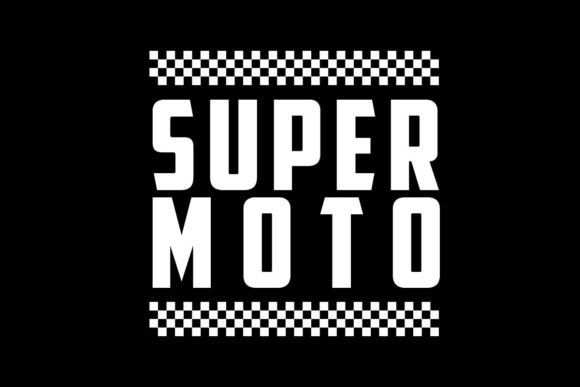
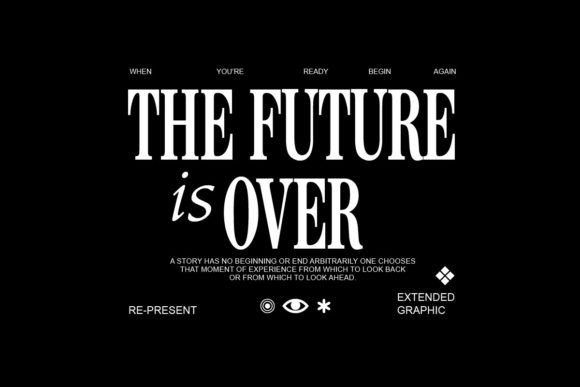
For entrepreneurs and designers looking to establish a strong brand identity, tapping into the Streetwear Graphic Design Y2K Style offers a powerful way to connect with a demographic that values both nostalgia and modernity. This style works exceptionally well in packaging design for tech products, energy drinks, or lifestyle goods where the goal is to project an image of innovation and high energy. In the realm of editorial design and web design, these graphics can serve as striking hero images or background textures that set a specific mood without overwhelming the content. However, the true versatility of these assets lies in their adaptability for merchandise. Because the aesthetic relies heavily on visual impact rather than subtle typography, it translates beautifully to apparel. A t-shirt design featuring these elements can stand out in a crowded market, appealing to both vintage collectors and younger audiences discovering the aesthetic for the first time.
Customizing Vector Assets for Maximum Impact
One of the most significant advantages of working with professional design assets is the ability to customize them to fit your specific needs without sacrificing quality. The collection mentioned—specifically the vector source files in EPS format—provides a critical advantage for custom printed clothing and merchandise creation. Unlike raster images (like standard JPGs), vector files are mathematically defined, meaning you can scale up & down infinitely. This is essential when you are moving a design from a small chest logo on a hoodie to a full-back print on a jersey. The ability to edit vector files in software like Adobe Illustrator or Affinity Designer allows you to add & remove elements, adjust the color scheme to match your brand's specific hex codes, or modify the layout to fit different garment templates. This flexibility ensures that the final product is unique to your brand, rather than looking like a generic off-the-shelf print.
Design Strategy and Visual Hierarchy
When incorporating Streetwear Graphic Design Y2K Style into your projects, understanding visual hierarchy is paramount. Because these designs are often intricate and visually dense, they can easily dominate a layout if not handled correctly. If you are using these graphics for social media graphics or web design, consider using them as focal points against cleaner backgrounds to avoid visual clutter. In terms of font pairing, the Y2K aesthetic often benefits from a contrast in structure. Pairing the complex, organic shapes of the graphics with a clean, geometric sans serif font for body text can improve readability significantly. Conversely, for headlines, you might explore display fonts that mimic the metallic or liquid textures of the era, provided they remain legible. The goal is to create a cohesive environment where the graphic elements enhance the message rather than obscuring it.
Ensuring Quality in Print Production
For those creating physical products, the technical specifications of your files matter just as much as the artistic direction. The inclusion of high-resolution JPGs alongside vector files is a standard practice for professional merchandise production. When preparing files for t-shirt sublimation, for instance, the resolution of the image determines the crispness of the final print. Sublimation requires high DPI (dots per inch) settings to ensure that the ink bonds correctly with the fabric, resulting in vibrant colors that don't crack or peel. By utilizing the provided ZIP file containing these assets, creators can streamline their workflow, moving quickly from the design phase to the production phase. Whether you are a small business owner launching a new drop or a content creator looking for unique visual assets, having access to editable, high-quality files removes the technical barriers to entry, allowing you to focus on the creative application of these distinct Y2K visuals.